I've spent mornings rekeying locks and late nights on the road, and I can tell you what works. If you're trying to figure out how to get back in after a lockout, this piece walks through practical options and trade-offs. In many situations it makes sense to call a professional, and if you want one quickly consider locksmith Orlando as a place to start when checking availability and response times. You'll get step-by-step checks, what a 24 hour locksmith typically does on scene, and practical steps to keep future lockouts from happening.
When you might open the door yourself
Before dialing anyone, a few quick checks often point to a fast fix. Check pockets and bags again, try the back door, and see whether the deadbolt is stuck in a half-latch position. If the lock looks intact but the knob feels floppy, the problem might be internal and needs professional attention.
Why a professional is often the fastest route
Calling a skilled locksmith usually avoids forced entry and the repair bills that follow. If you're locked out late at night, a 24 hour locksmith offers a non-destructive opening that prevents later framing or door replacement costs. Always ask for a clear upfront estimate and a written receipt to protect yourself against inflated post-service quotes.
How technicians prioritize a lockout call
A competent locksmith will size up the hardware, try non-destructive entry methods first, and communicate options clearly. Commonly the tech will use picks or a tension tool to manipulate the plug, and if needed they may remove the handle or replace the core on-site. Expect a technician to ask for ID and proof of residence if there is any question of ownership.
Sometimes the fastest long-term fix is to replace the cylinder or latch instead of patching an unreliable part.

Transparent price components to ask about
A locksmith's invoice normally separates the dispatch fee, hourly labor, and any replacement parts. A simple non-destructive opening might be economical, but expect higher charges if replacement hardware is needed. Get the estimated total in writing and request a receipt that itemizes the work done.
Red flags when selecting a locksmith
If a caller refuses to give a written estimate or demands cash-only payment, pause and verify their credentials. A legitimate company will give a clear answer about insurance, licensing, and a service vehicle identification number. If you have doubts, call the company number on the official website rather than the number that called you.
Why you should choose a locksmith who specializes in cars when locked out of a vehicle
Modern cars have slim margins for unsafe entry, and technicians experienced with auto work avoid airbag or ignition damage. Avoid DIY attempts that involve blunt tools pressed between glass and weatherstripping, which risk expensive window or trim damage. When programming is required a trained technician can often supply a working key without tow trucks, though manufacturer keys for some modern cars may still require dealer-level equipment.
Small hardware problems that cause outsized headaches
I have seen many calls where the fix was a tightened screw or a mortise adjustment rather than a full lock replacement. Gently pushing the door while turning the knob sometimes reveals whether the bolt is catching the frame rather than being trapped inside the mechanism. If you can remove the strike plate screws with basic tools, you may be able to realign it temporarily, but be honest about your skill level before attempting repairs.
Practical steps to take while you wait for help
While you wait, find your ID, any previous documentation for the lock, and remove obstacles from the work area. If there are children or pets nearby, secure them so the technician can work without interruption. If you have photos of the door or the previous lock, email those to the company before they arrive to help the technician bring appropriate parts.
Practical investments that pay off
Small investments like a weatherproof keypad or a reinforced strike plate pay off in fewer emergency calls. Weigh the convenience of wireless entry against the need for reliable fallback options. Create a simple protocol for tenants to request access rather than risking unsafe workarounds.
Stories that teach what to avoid
On a winter night a driver tried to break open a jammed trunk and ended up with a shattered tail light and a higher bill. Rushing in with the wrong tool usually turns a clean non-destructive job into a drilling and replacement intervention. A calm assessment and a modest fee will often protect both your hardware and your wallet.
Unusual lockout situations and how they alter the plan
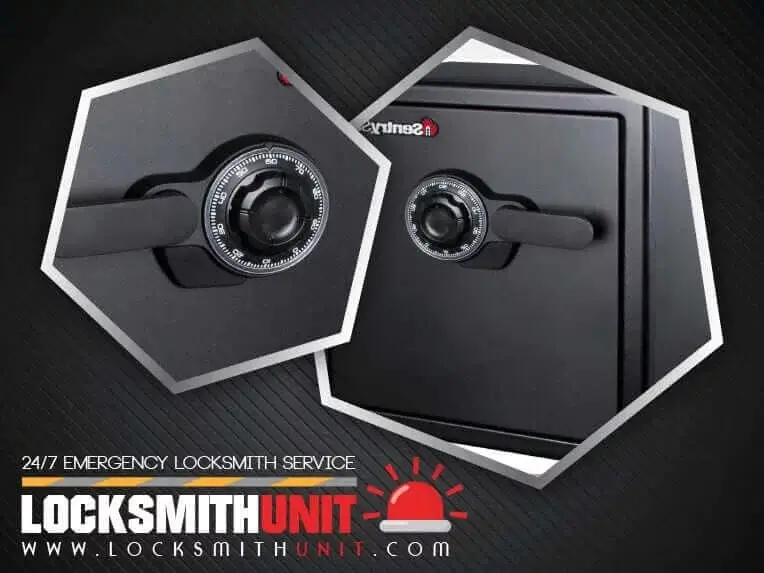
High-security cylinders, antique mortise locks, or electronic access systems can all require special parts or longer service times. A locksmith can often secure the opening temporarily and advise on follow-up repairs with a contractor. When dealing with safe locks or vaults, expect longer diagnostics and possibly manufacturer involvement; these are specialized services.
Minimal queries that protect you
Request the technician's ID, the company phone number, and a clear breakdown of fees. Make it clear you expect the least destructive method possible and that full replacement will be discussed first. Trust but verify by checking the company's official listing and phoning their business line if something feels off.
Practical spare-key strategies that still feel secure
Avoid hiding keys in obvious places like flowerpots or under doormats; thieves know those spots. Key safes offer a compromise for occasional access, but choose a robust model and place it out of sight. Multiple codes let you share access without physical keys, and you can revoke codes without changing hardware.
Vehicle models and scenarios that require dealer involvement
If your remote uses rolling codes or the car's security requires manufacturer authorization, the dealer may be mandatory. Compare quotes from the locksmith and the dealer so you understand trade-offs in price and time. If the dealer is the only option, ask about towing and whether remote programming can be scheduled the same day to minimize downtime.
What to do seasonally and after moving in
A tiny investment in periodic lubrication and tightening of screws avoids a surprising number of emergency calls. Changing cores or rekeying is faster and cheaper than full replacement and is a smart step on day one. A correctly fitting door is less likely to trap a bolt and cause an unnecessary lockout.
Why receipts and photos matter
Photos and a typed receipt locksmith near me give you leverage if billing disputes arise later. If possible, get the invoice emailed so you have a time-stamped, searchable copy. Early photos and a clear record speed any follow-up with insurers or the locksmith.
How repeat business benefits you
A relationship with a reliable locksmith turns emergency calls into routine visits. After one or two positive experiences, exchange contacts and save their number, vehicle ID, and a backup contact in case of high demand. If you manage several properties, negotiate a service agreement to lock in rates and priority response during peak times.
Small rules of thumb worth remembering
Avoid severe DIY attempts, insist on ID and an estimate, and prioritize non-destructive methods. Plan for prevention by rekeying after moves and by lubricating locks seasonally. When time matters, call a known local team and ask about non-destructive entry as the first attempt.